
About Mal Celeste
Mal Celeste writes MM fantasy romance about devotion, memory, identity, and the strange ways some souls keep finding each other across lifetimes.
Born in Spain and currently living in Japan, Mal is a writer, teacher, and incurable daydreamer whose stories tend to begin with music, images, and far too much emotional attachment to fictional men.
Skyboundgrew from a love of winter skies, elemental magic, reincarnation, and relationships that refuse to stay simple. When not writing, Mal can usually be found with coffee nearby, collecting fragments of sky and turning ordinary moments into lore.
WHERE SKYBOUND BEGAN
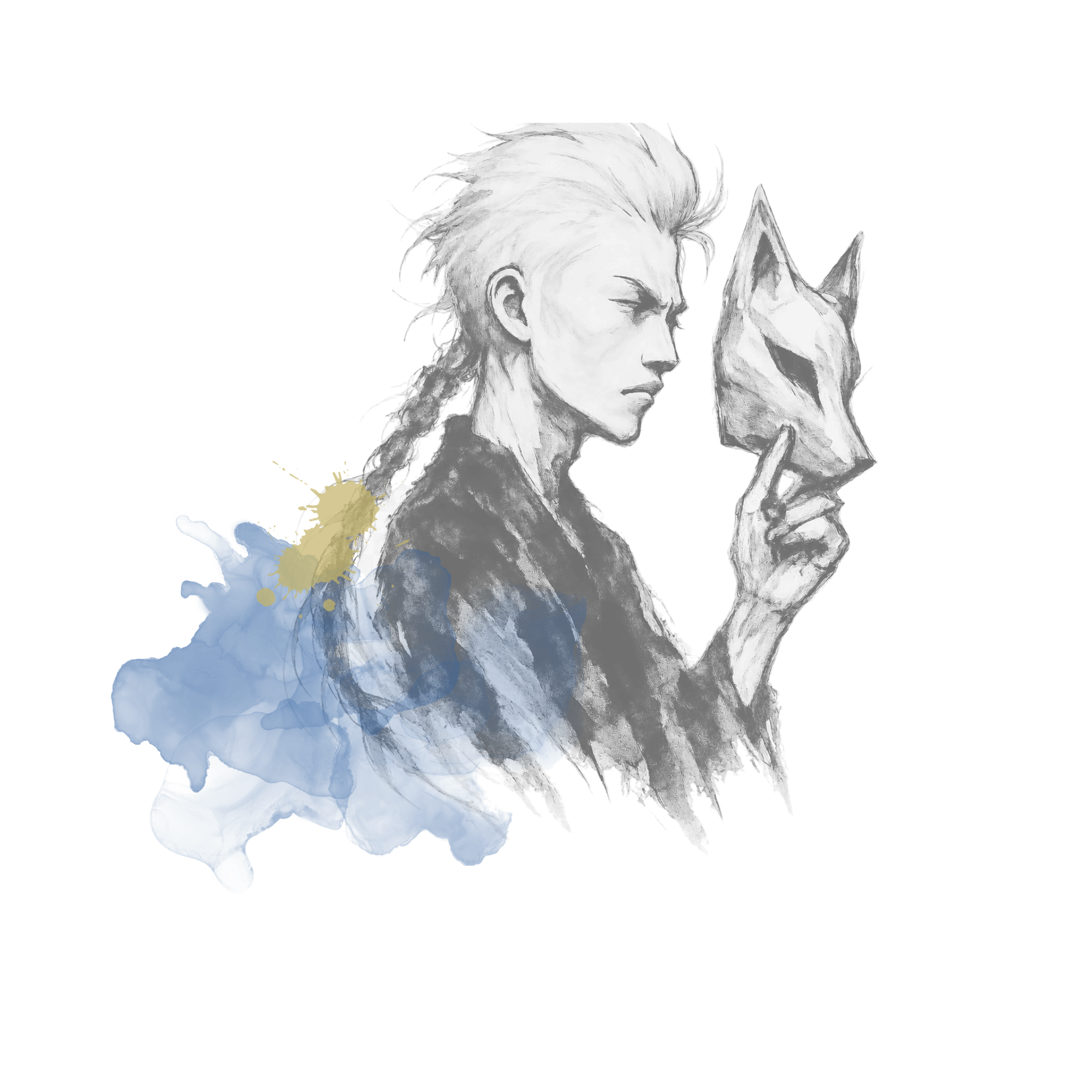
Skybound began with an image: two men standing beneath snow, bound to one another long after memory should have disappeared.
From there came fire and frost, reincarnation, devotion, and the question that kept following them across lifetimes:
What does it mean to love someone without owning them?
Haneul and Seungho had existed in Mal’s imagination long before their story found its shape. But they truly came alive somewhere between countries, during the long flights across oceans that became an unexpected part of Skybound’s creation.
Around sixty percent of the story was written in the air—close to the sky, headphones on, music filling the space while scenes arrived like memories. Flashbacks, fragments of dialogue, battles, tenderness, grief. All of it unfolding on a tiny glowing screen while the world passed thousands of metres below.
There was something strangely fitting about writing a story obsessed with sky, distance, memory, and impossible return while suspended between places.
Haneul and Seungho crossed those oceans too.
A Note on My Creative Process
Every Skybound story begins with me: its characters, world, relationships, plot, emotional architecture, symbolism, and the larger continuity connecting the series. I develop these stories across extensive outlines, character histories, research, drafts, revisions, and countless hours spent making sure the people and world remain emotionally and narratively consistent across five books.
I also use generative AI as one tool within that process. I use it for brainstorming, editorial feedback, revision, language exploration, and at times collaborative prose drafting from my own scenes, ideas, and creative direction. I don't consider that something to hide. Like every tool I use, such as grammarly, its contribution remains subject to my judgment: I choose, reject, rewrite, restructure, and extensively edit the work until the finished manuscript reflects the story I intended to tell.
Writing has never required creating in a vacuum. Books are shaped through editors, beta readers, critique partners, researchers, proofreaders and, in some cases, co-writers or ghostwriters. These forms of collaboration are not identical to generative AI, and AI brings its own ethical and creative questions. But I don't believe writers should be reduced to frauds simply because AI is one of the tools in their process. What matters to me is being truthful about that process and taking responsibility for the work published under my name.
Writing Skybound has required thousands of creative decisions that no tool can make on my behalf: understanding who these characters are, protecting their continuity, deciding what they would choose and why, building their histories and worlds, carrying themes and symbols across lifetimes, solving narrative problems, researching, revising, formatting, and ultimately taking responsibility for every book published under my name.
AI is part of my creative process. It is not the source of my stories or my imagination.
Skybound is deeply personal work. I know how these books were made, I know the care and labor behind them, and I stand proudly behind them.
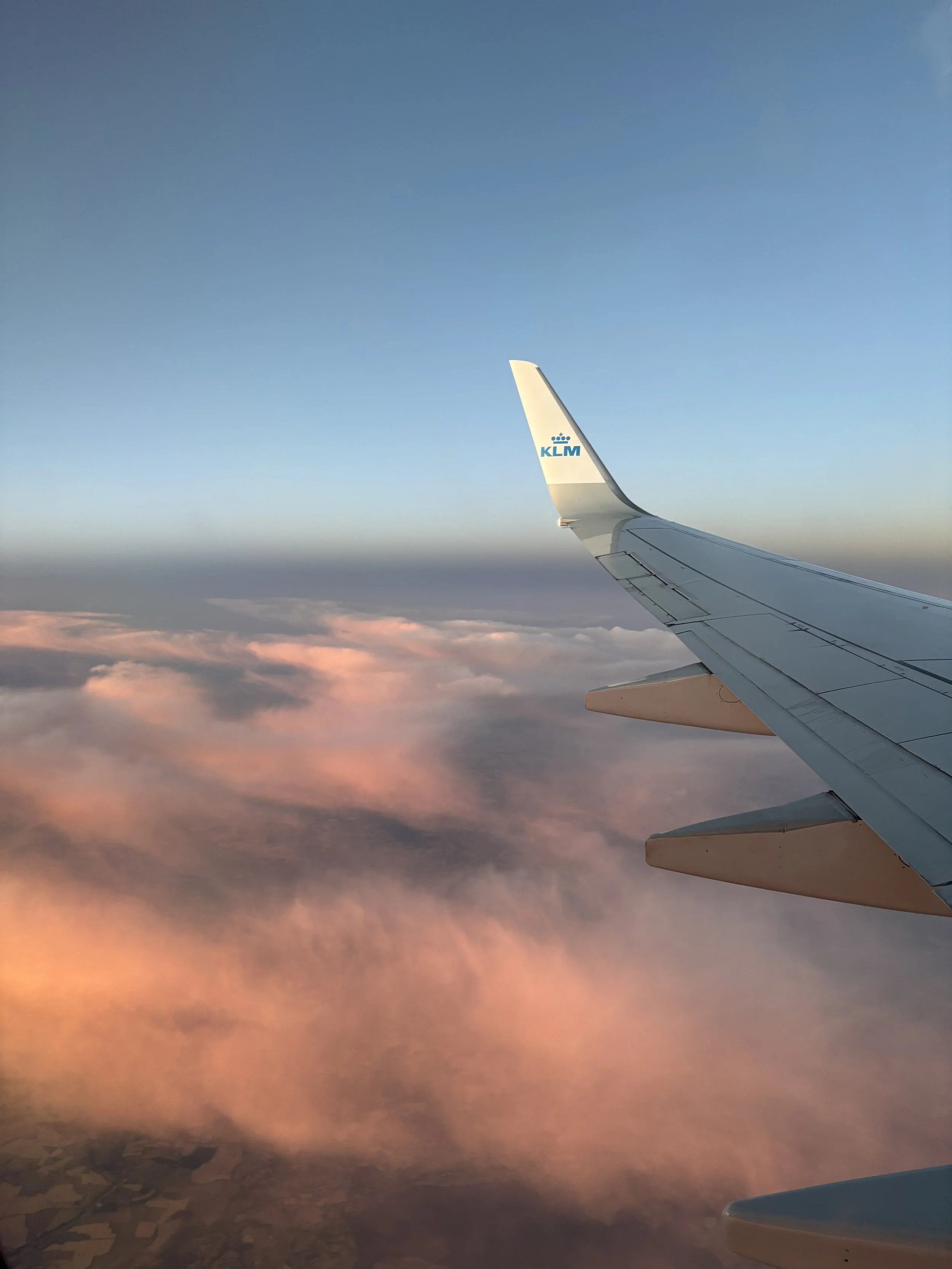
Some stories are written at desks.
Skybound crossed oceans and skies first.